SUS-C repurposed · selection story
Fabric selection starts with constraints, not adjectives
“Authentic,” “soft,” “performance,” and “sustainable” can begin a conversation, but they do not specify an article. A useful brief states the garment, silhouette, construction, weight, width, movement, wash route, finish, care, market, evidence need, and open commercial questions.
Selection narrative
Move from desired behavior to a reviewable article
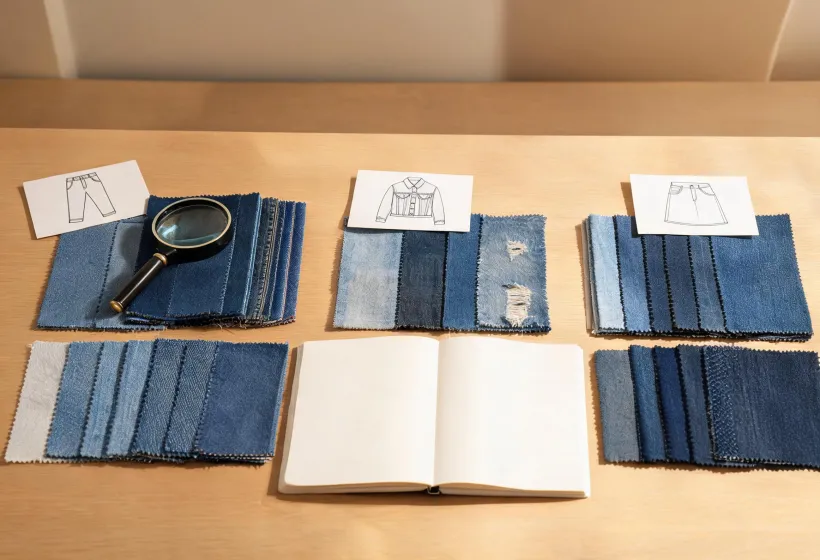
Start with the finished garment and work backward. A structured jacket may need body and predictable seam folds; a close-fitting bottom may prioritize movement and recovery; a shirt may depend on drape, lightness, opacity, and wash-softened hand. Write the intended behavior before looking at a family label.
Choose the question first. Then ask whether the exact current article and document can answer it.
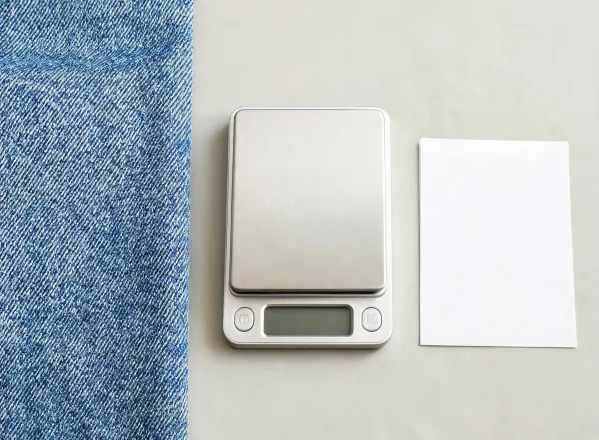
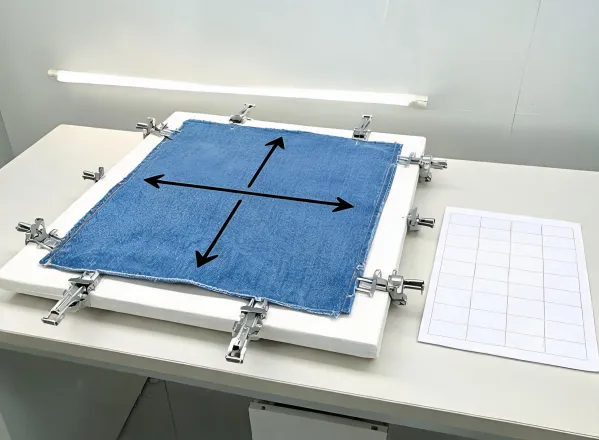
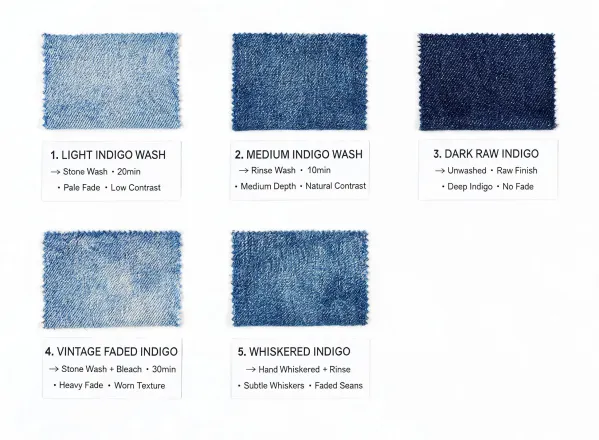
Next, define the textile state. Weight, width, shrinkage, hand, and stretch can change through finishing and laundering. Record whether each value refers to greige, finished, or washed material, and keep the wash recipe attached to any result. This prevents a number from becoming more portable than the specimen that produced it.
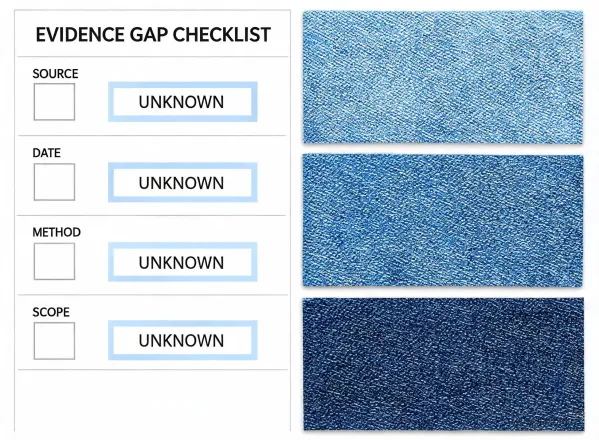
Finally, separate technical screening from supply confirmation. The independent review can identify evidence gaps. Cone Denim's official channels must confirm current article availability, manufacturing origin, applicable documentation, samples, certifications, pricing, quantities, timing, and other commercial terms.
Five-part brief
Questions worth resolving before comparison
Build your selection brief
Share an exact article when you have one, or describe the garment behavior and evidence gap when you do not. The response is contextual guidance, not a quotation, sample commitment, certification statement, or supply offer.